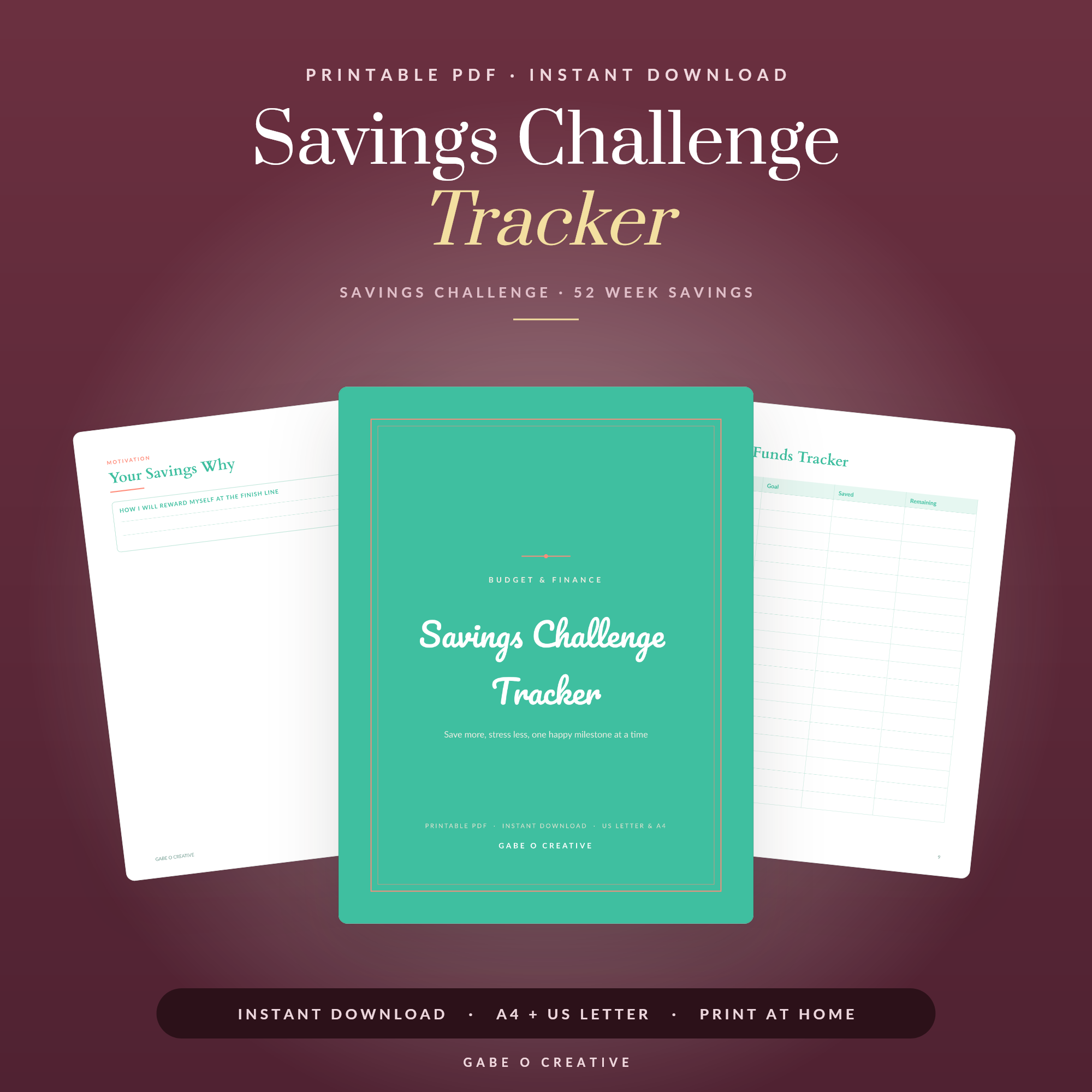
The 52 week savings challenge is the simplest savings plan there is: save £1 in week one, £2 in week two, and keep going until you put away £52 in the final week of the year. Add it all up and you finish with £1,378 — from a plan that starts with a single pound. It works because it begins at an amount nobody can argue with, and by the time the payments get real you've already got months of progress you don't want to waste. Our printable savings challenge tracker gives you all 52 boxes to tick.
Starting this week? Print the savings challenge tracker, put £1 aside today, and tick box one.
 Shop Savings Challenge Tracker Google Sheets, 52 Week Challenge, 100 Envelope Challenge £5050, No Spend Month, Custom Savings Goal Spreadsheet →
The Actual Numbers
Most articles quote the final total and stop, which hides the part that matters — the shape of it.
| Weeks | You save | Running total |
|---|---|---|
| 1–13 | £1 → £13 | £91 |
| 14–26 | £14 → £26 | £351 |
| 27–39 | £27 → £39 | £780 |
| 40–52 | £40 → £52 | £1,378 |
Notice how back-loaded it is. You're only a quarter of the way to the total by week thirty-nine, and the final thirteen weeks account for £598 — more than the first six months combined. That's the design flaw hiding inside the friendly £1 start.
The December problem
Those last four weeks — £49, £50, £51 and £52 — fall in the back half of December. The classic challenge asks for over £200 during the single most expensive month of most people's year, right when Christmas is being paid for. It is the worst possible timing, and it is why so many people finish week forty-eight and quietly stop.
The Reverse Version (Use This One)
Run the amounts backwards: £52 in week one, down to £1 in week fifty-two. The total is identical — £1,378 — but the difficulty curve is inverted.
- The hard weeks land in January, when most people genuinely want to be disciplined.
- December asks for pennies — the final four weeks total £10.
- Motivation is preserved because the plan gets easier exactly as the year gets tiring.
The only downside is the opening: £52 in the first week, in January, is a real ask. If that's the blocker, start in a quieter month rather than waiting for the new year — there's nothing magic about January, and a challenge started in August finishes just as well.
A third option: flat weekly
£26.50 every week for a year is also £1,378, with no mental arithmetic and no bad months. It's less fun, and fun is genuinely load-bearing here — but if the escalating amounts are what's putting you off, the flat version is not cheating.
 Shop Sinking Funds Tracker →
Why People Quit, and When
Almost everyone who abandons this does it between weeks nine and twelve. It's a predictable spot: the amounts have stopped being trivial, the novelty has worn off, and the running total is still under £80 — so it doesn't yet feel like real money. Nothing has gone wrong; that's just the shape of the curve.
Three things get you through it:
- Automate the transfer. A standing order that changes weekly is awkward, so many people move a month at a time — £10 for weeks 1–4, £26 for weeks 5–8. Same result, one instruction.
- Keep the tracker visible. Ticking a box is the entire motivational mechanism. On the fridge, not in a drawer.
- Miss a week without restarting. Carry on from where you are. Restarting from week one after a missed payment is how a year-long plan dies in March.
Where the Money Should Live
A separate savings account, ideally one without a card attached. Money sitting in a current account gets spent by accident, whatever you meant it for — and the whole point of a challenge is that the total survives to the end.
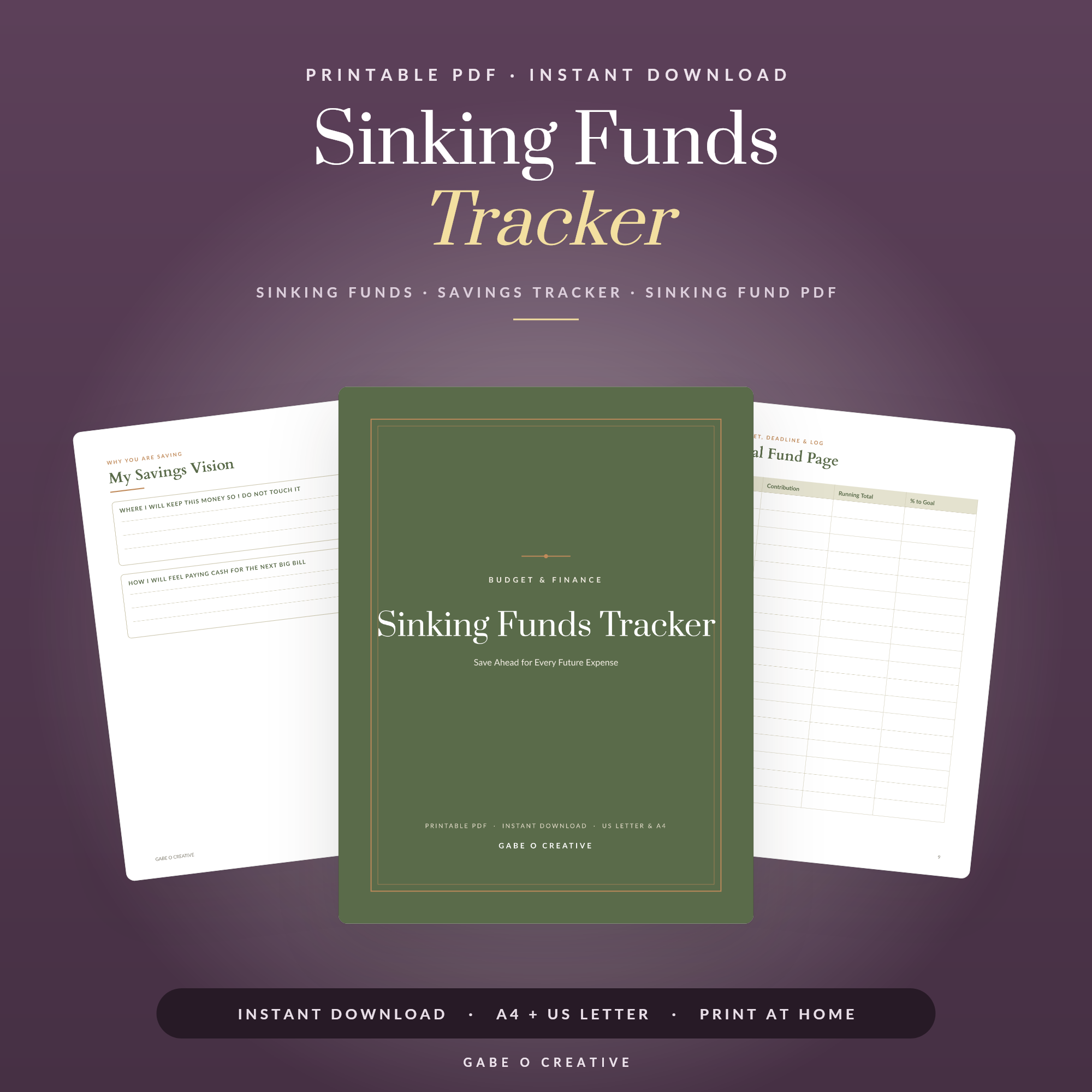
Give the money a job, too. "Saving £1,378" is abstract; "Christmas and the car service" is not, and a named goal survives a bad month far better than a number does. That's the same logic as sinking funds, which is worth reading alongside this — the two work well together, with the challenge building a lump sum and sinking funds handling the known irregular costs. The sinking funds tracker covers that half.
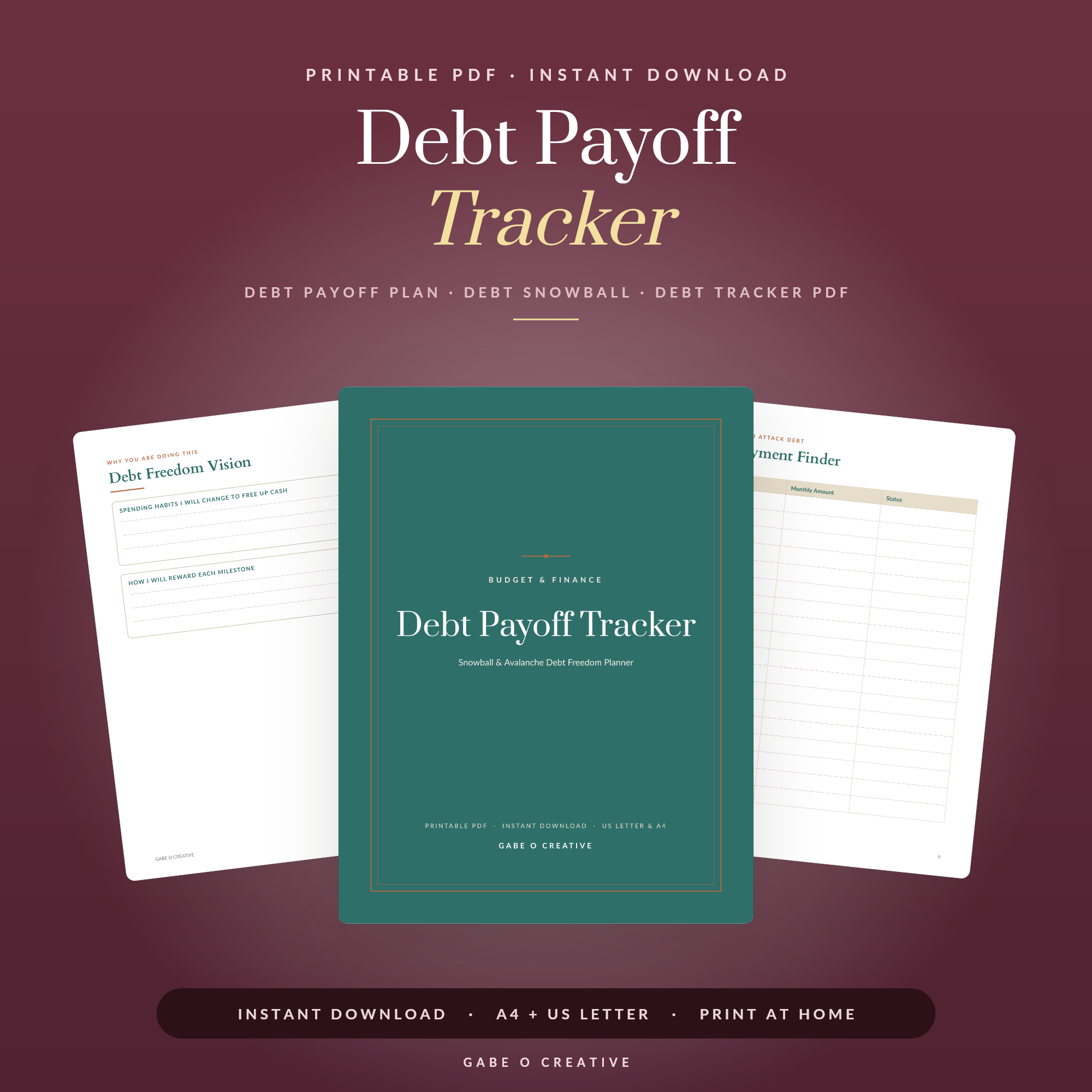
If you'd rather run the whole thing in a spreadsheet with the totals calculated for you, the savings challenge hub does the arithmetic and charts progress automatically. And if there's expensive debt in the picture, clearing it usually beats saving alongside it — our debt-free date guide and the debt payoff tracker cover that decision honestly.
Variations Worth Knowing
- Double it — £2, £4, £6… finishing at £2,756.
- Halve it — 50p increments for £689, which is a far better first attempt than failing at the full version.
- Pick-a-box — cross off any amount you can afford that week rather than following the order. Much more forgiving of irregular income.
- The 100 envelope version — the same idea with a different rhythm, covered in our 100 envelope challenge guide.
- No-spend weeks alongside it, to fund the larger payments — see the no-spend challenge.
Whichever you pick, choose it once and stop optimising. The version you finish beats the clever version you abandon in April.
 Shop Debt Payoff Tracker →
What to Do With £1,378
Deciding this at the start matters more than it sounds, because an unnamed lump sum tends to get absorbed into ordinary spending the moment it's available.
- An emergency buffer. If you have no savings at all, this is the highest-value use by a distance — £1,378 covers most boiler repairs, car failures and excess payments, which are exactly the events that otherwise become debt.
- Next Christmas, paid for in advance. Finishing in December with the money already there changes how the whole month feels.
- Clearing a card. If you're paying 20%+ interest, the maths says the debt beats the savings — though many people do both to keep the habit alive.
- A deposit or a course. A specific goal survives bad months far better than a general one.
Decide before week one, write it on the tracker
Put the goal at the top of the page where you'll see it every time you tick a box. "£1,378" is a number; "Christmas without the January credit card bill" is a reason, and reasons are what get people through week eleven.
What happens in year two
Most people who finish don't repeat the same challenge — they convert it into a standing order at roughly the same monthly rate, because by then the habit exists and the gamified version has done its job. That's a success, not a failure: the challenge is scaffolding for a habit, and scaffolding is supposed to come down.
52 Week Savings Challenge FAQs
How much do you save with the 52 week savings challenge?
£1,378 over the year. You save £1 in week one, £2 in week two, and so on up to £52 in week fifty-two — the weekly amounts add up to £1,378 in total.
What is the reverse 52 week savings challenge?
The same amounts in the opposite order: £52 in week one down to £1 in week fifty-two. The total is identical, but the hardest weeks fall in January rather than December.
Why do most people quit the 52 week challenge?
Usually around week nine to twelve, when the amounts stop being trivial but the total still looks small. The second reason is December, when the classic version asks for its four largest payments during the most expensive month of the year.
Can I do the challenge with different amounts?
Yes. Double every amount to save £2,756, halve them for £689, or pick a flat weekly figure. The escalating pattern is a motivational device, not a rule.
Where should I keep the money?
A separate savings account, ideally one without a card attached. Money in your current account gets spent by accident regardless of what you intended it for.
Is the 52 week challenge better than just saving monthly?
Not mathematically — a standing order of £115 a month gets you to roughly the same place with no thinking. The challenge wins on motivation, because ticking off a week is visible in a way a direct debit never is.
Start with week one today. Print the 52 week savings tracker, or browse the full Budget & Finance collection for budgets, sinking funds and debt payoff trackers.