Two things happen in most kitchens at the same time. Food gets thrown away because nobody knew it was there, and food gets bought because nobody could remember whether it was there. Both are the same problem — no record — and both are solved by a sheet of paper on the freezer door. The reason almost nobody keeps one is that they try to keep too good a one. A freezer and pantry inventory works when it is nearly lazy. The Freezer & Pantry Inventory is deliberately built that way.
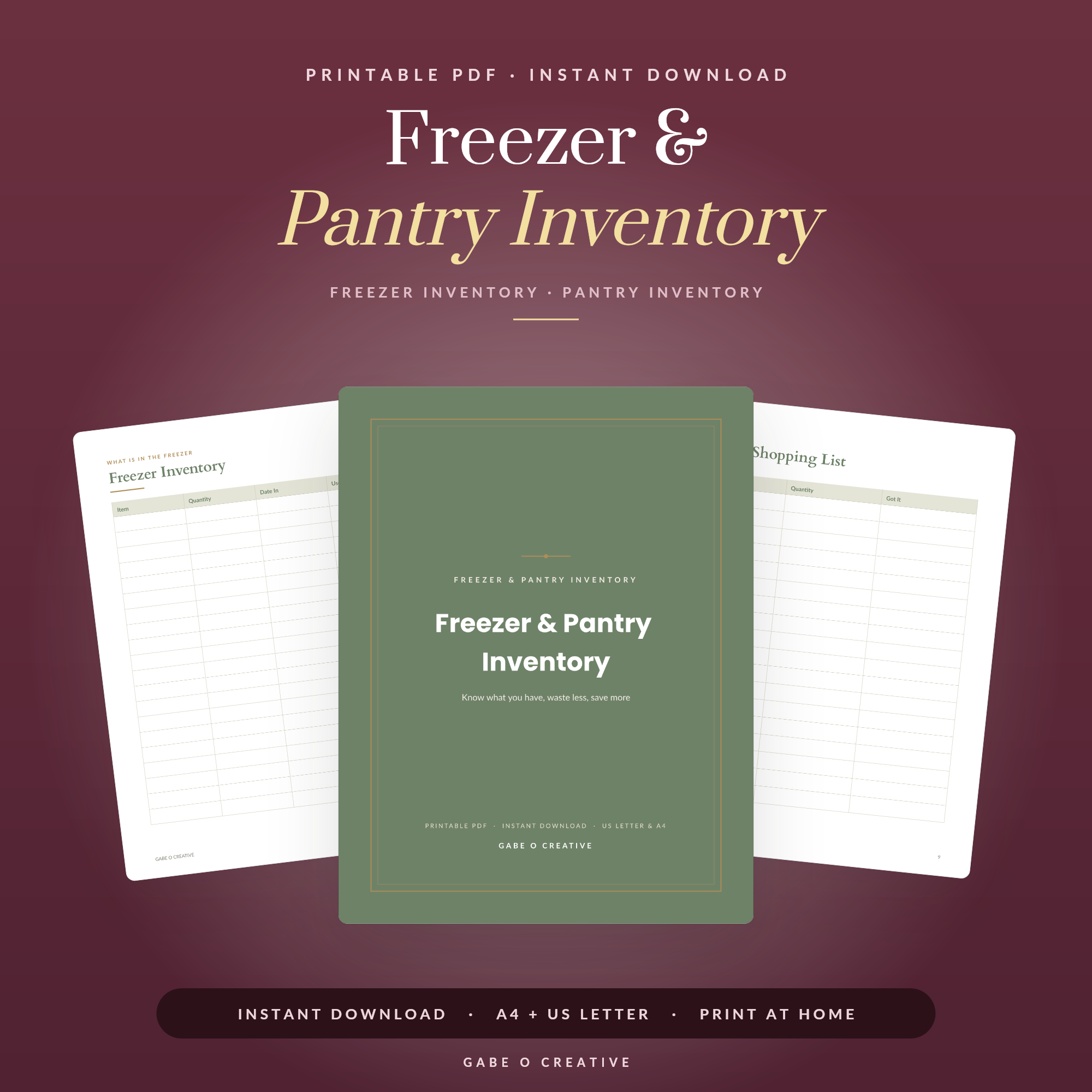
Big shop coming up? The Freezer & Pantry Inventory prints as a door sheet — item, quantity, date in — so you shop from what you own before you add to it.
 Shop Meal Planner & Grocery Kit →
Four Columns, Written in Pen
Item, quantity, date in, and a box to cross off. That is the whole system, and the discipline is in what you leave out.
Every additional column — category, meal it belongs to, portion size, cost — is another reason to skip the entry when your hands are full and the freezer drawer is open. The list only works if updating it is faster than not updating it.
The date matters more than you would think
Not for safety — frozen food stays safe indefinitely at a steady temperature. It matters because quality fades, and because a date is the only thing that tells you a batch of bolognese has been in there since last autumn. Without it everything looks equally fresh through frost, and the oldest bag stays at the bottom forever.
Where the List Lives
On the door. In pen. This is the part people get wrong by trying to do it properly.
A spreadsheet is more capable in every respect and it loses, because the decision it needs to influence happens standing in front of an open freezer with cold hands. A scruffy sheet at eye level beats a perfect system in another room, every time.
| Where | Works? | Why |
|---|---|---|
| Freezer door, paper | Yes | Present at the moment of decision |
| Inside pantry door | Yes | Same reason, and it stays out of sight |
| Phone app | Rarely | Requires unlocking a phone with frozen fingers |
| Spreadsheet on a laptop | No | Never updated at the point of use |
| Memory | No | This is what you are already doing |
If you want a digital version, keep it as the monthly tidy-up rather than the daily record — transcribe the door sheet when you do the big check, not instead of it.
Shopping From What You Own
This is where the list stops being admin and starts saving money.
Before writing a shopping list, read the inventory and build two or three meals out of what is already in the house. Not the whole week — two meals. That is enough to shift a shop noticeably, and it is achievable in the five minutes people actually have.
The pattern most households find: there is nearly always a protein in the freezer and a starch in the cupboard, and what is missing is something fresh to go with them. That turns a full shop into a small one, and it is the difference between a freezer that cycles and a freezer that accumulates.
One meal a week from the freezer
A standing rule beats good intentions. Pick a night — the busy one, usually — and make it the night you cook something already in the house. It empties the freezer at roughly the rate a normal household fills it, which is the only way the thing stays balanced.
 Shop Monthly Meal Planner →
The Monthly Look
Once a month, ideally the week before a big shop, take five minutes and actually look. Cross off what has gone, add what got missed, and pull anything old to the front.
That last step is the whole trick with freezers. Things do not go to waste because they are forgotten in the abstract — they go to waste because they are physically at the bottom. Moving the oldest items to the top of the drawer does more than any list can.
Doing it before the shop rather than after means the findings change what you buy. Doing it after means you have already bought the duplicate.
Label batch cooking properly
If you batch cook, the label needs the dish, the date and the number of portions. "Soup" in an unmarked tub is a lottery six months later, and unidentifiable food gets thrown away regardless of how good it was.
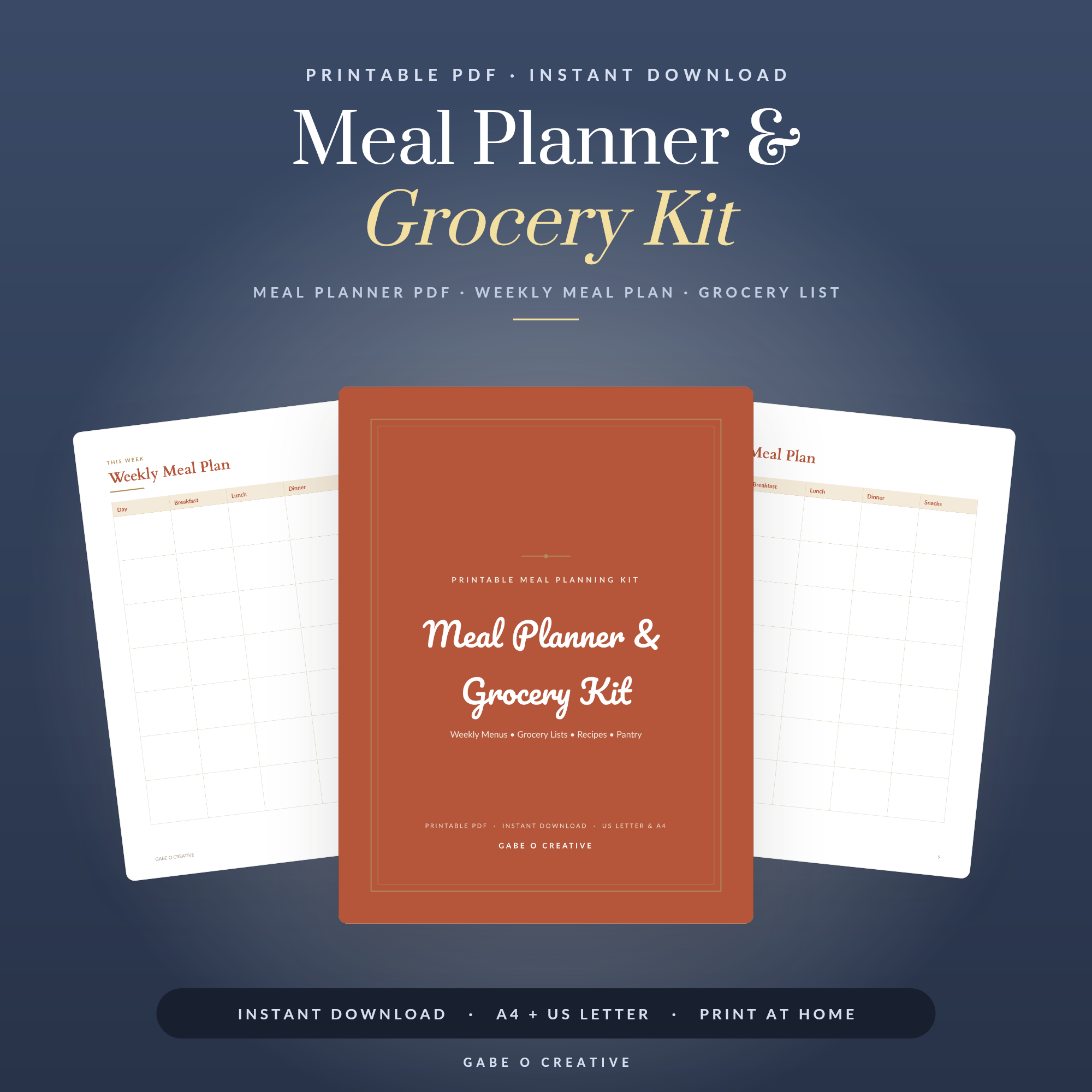
Our guide to meal prep planning covers the cooking side, and the Meal Planner & Grocery Kit pairs the week's plan with the shopping list so the two stop contradicting each other.
Freeze it flat
One habit that changes how usable a freezer is: freeze liquids and mince flat in bags rather than in tubs. Flat bags stack like files instead of stacking like boxes, which roughly doubles what fits in a drawer and makes everything visible from above rather than buried.
They also defrost in a fraction of the time, which is the difference between using something on a weeknight and deciding it is too late to bother.
The Pantry Is Easier
You can see it, so the list does less work — but it does one thing well: it reminds you to look behind the front row.
Tins and jars at the back are the ones that expire, because nothing ever reaches them. A quick inventory forces the back row into daylight, and it is usually where the duplicates are hiding. Most households discover they own three of something they were about to buy a fourth of.
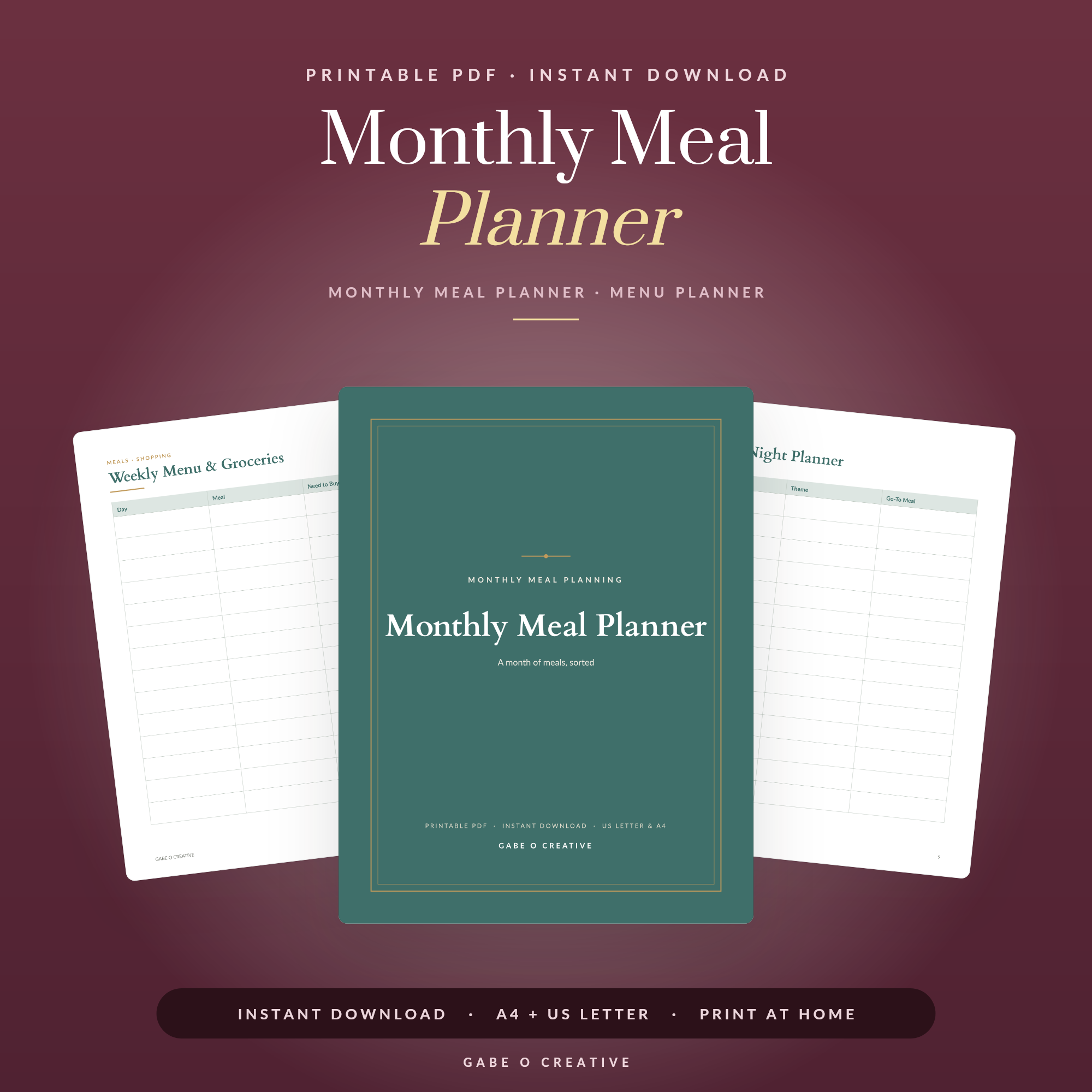
Group by type rather than alphabetically, keep the oldest at the front, and accept that this needs redoing every few months rather than staying tidy forever. For planning the month's meals around what the list turns up, the Monthly Meal Planner is the companion sheet.
 Shop Freezer & Pantry Inventory →
Freezer and Pantry Inventory FAQs
What should a freezer inventory include?
Item, quantity, the date it went in, and nothing else. Four columns, updated as you put things in and cross off as you take them out. Every extra column is a reason the list stops being updated by week three.
Where should the list live?
On the freezer door, in pen. Not in an app, not in a drawer. The list has to be at the exact moment of decision — a beautifully maintained spreadsheet upstairs loses to a scruffy sheet of paper at eye level every time.
How long does food actually keep in the freezer?
Frozen food stays safe indefinitely at a steady temperature; it is quality that degrades. As a rough guide, mince and cooked meals are best within three months, whole cuts keep longer, and bread and vegetables sit somewhere between.
How often should I check it?
A proper look once a month, ideally the week before a big shop. That is when the list earns its money, because you plan meals around what is already in there rather than discovering it in February.
Does this actually save money?
The saving is mostly in food not thrown away and duplicates not bought. Most households own several of something they forgot they had — and the freezer is where a batch cook quietly becomes waste twelve months later.
Should I do the pantry too?
Yes, and it is easier because you can see it. The pantry version is less about memory and more about arrangement: tins at the back are the ones that expire, so the list mainly exists to remind you to look behind the front row.
General guidance on food storage and organisation — for food safety specifics, follow the storage advice on the packaging and your local food standards guidance.
Write down what is in there tonight. Print the Freezer & Pantry Inventory, stick it on the door, and plan two meals from it before your next shop — or browse the full Meal & Recipes collection.