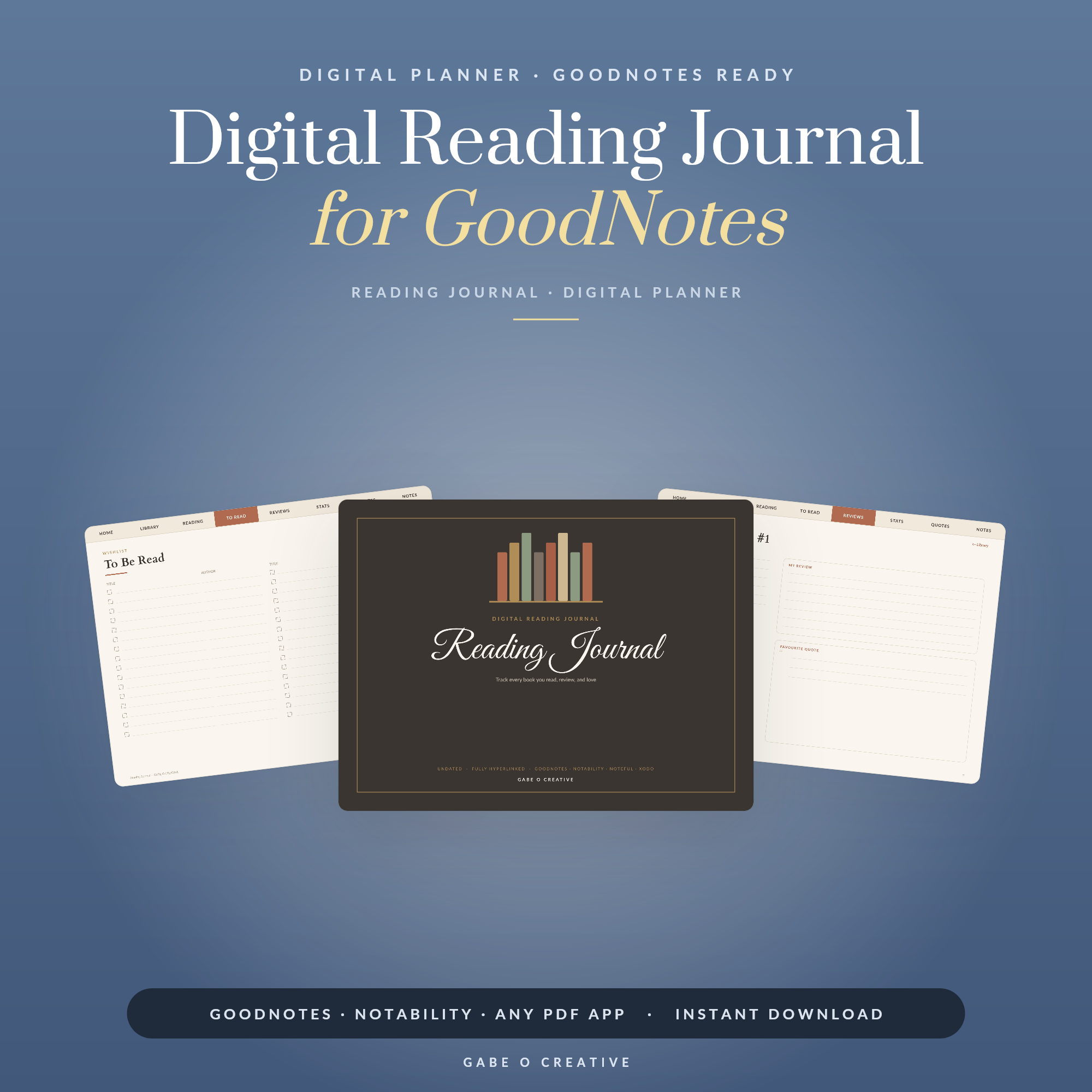
A reading log for adults who used to finish books in a weekend and now can't seem to get past chapter three works differently to a reading challenge tracker. It isn't there to gamify a target of fifty books a year. It's there to show you, honestly, why the habit stalled and give you a small, low-friction way back in. Our digital reading journal is built for exactly this: fewer targets, more truth about what you're actually reading and finishing.
Used to read constantly and can't remember the last book you finished? Grab the reading journal and start with the one page that matters here — the Currently Reading list — before you touch anything else.
 Shop One Line A Day →
Why Adults Stop Finishing Books
It rarely happens all at once. Somewhere between a phone that rewards you every few seconds and a book that rewards you after forty pages, the phone wins by default — not because you decided books weren't worth it, but because nothing in your evening ever asked you to choose. A book you picked up out of obligation sits on the nightstand for three weeks doing nothing except making you feel guilty every time you see it. Add a life that's genuinely busier than it used to be, and "I'm not really a reader anymore" starts to feel true, even though it isn't.
It's Not a Willpower Problem
The usual advice — read more, try harder, put your phone in another room — treats this as a discipline failure. It isn't. Most adults who've drifted from reading haven't lost the appetite for a good story; they've lost the structure that used to carry them through one. School terms, commutes, a friend who always knew what to recommend next — those scaffolds disappear in adult life, and nothing replaces them automatically. A log is a replacement scaffold. It doesn't require more willpower than scrolling; it just needs somewhere to land the five minutes you already have.
What a Reading Log Actually Fixes
Kept honestly for a month, a log tells you things a mental tally never will. You'll likely notice you finish nonfiction on weekday mornings and abandon novels you started at 11pm too tired to follow a plot. You'll see that the books you actually finish are rarely the ones you felt you should read. That information is worth more than any challenge chart, because it points at the actual fix: read what suits the ten minutes you have, not what suits the person you think you should be.
- It shows your real pattern, not the one you assume you have.
- It separates "started" from "finished", so half-read books stop quietly nagging at you.
- It removes the deciding — open the log, see what's live, pick it up where you left off.
- It's small enough to survive a bad week, unlike a fifty-book target that a single busy month can wreck.
 Shop Guided Reflection Journal →
The Three-Line Log That Restarts the Habit
Forget star ratings and genre tags for now — those are for later, once the habit is back. The version that gets a stalled reader moving again only needs three lines per book:
| Field | Why it's there |
|---|---|
| Title + where you stopped | Removes the "where was I?" friction that kills a return to a book |
| Started on | Shows you honestly how long a book has been sitting unfinished |
| Still want to finish? (yes/no) | Forces the DNF decision instead of letting it happen by default |
That's the whole system. Our reading journal builds this into a proper Currently Reading and TBR setup with tap-to-jump pages, so the log itself takes seconds to update — the point is removing effort, not adding a new chore to feel bad about skipping.
Give Yourself Permission to Quit
Here's the part most reading advice skips: a huge share of "I never finish books" is actually "I never let myself stop the wrong ones." If you've picked up three novels this year and abandoned all three around page sixty, that's not a failure of finishing — it's a sign the books were wrong for where you are right now, and nobody gave you permission to say so out loud. Write the DNF down instead of leaving it unspoken. A book logged as "stopped, not for me" clears space on your nightstand and in your head for something you'll actually want to pick back up tonight.
This is also where a reading log for adults differs most from a reading challenge tracker — a challenge counts books finished and quietly punishes a DNF as a loss. A log just records what happened, including the honest "no, not this one," and treats that as useful data rather than a failure.
 Shop Bucket List Journal →
Where to Keep It So You Actually Open It
The log that works is the one already open when you have five spare minutes, which for most adults is a phone or a tablet, not a drawer. A digital reading journal on your tablet sits next to the same device you'd otherwise be scrolling, so updating it is a genuine alternative to picking up your phone, not an extra errand. If you're a committed paper person, the same file prints beautifully — the format matters far less than whether it's within arm's reach at 9pm.
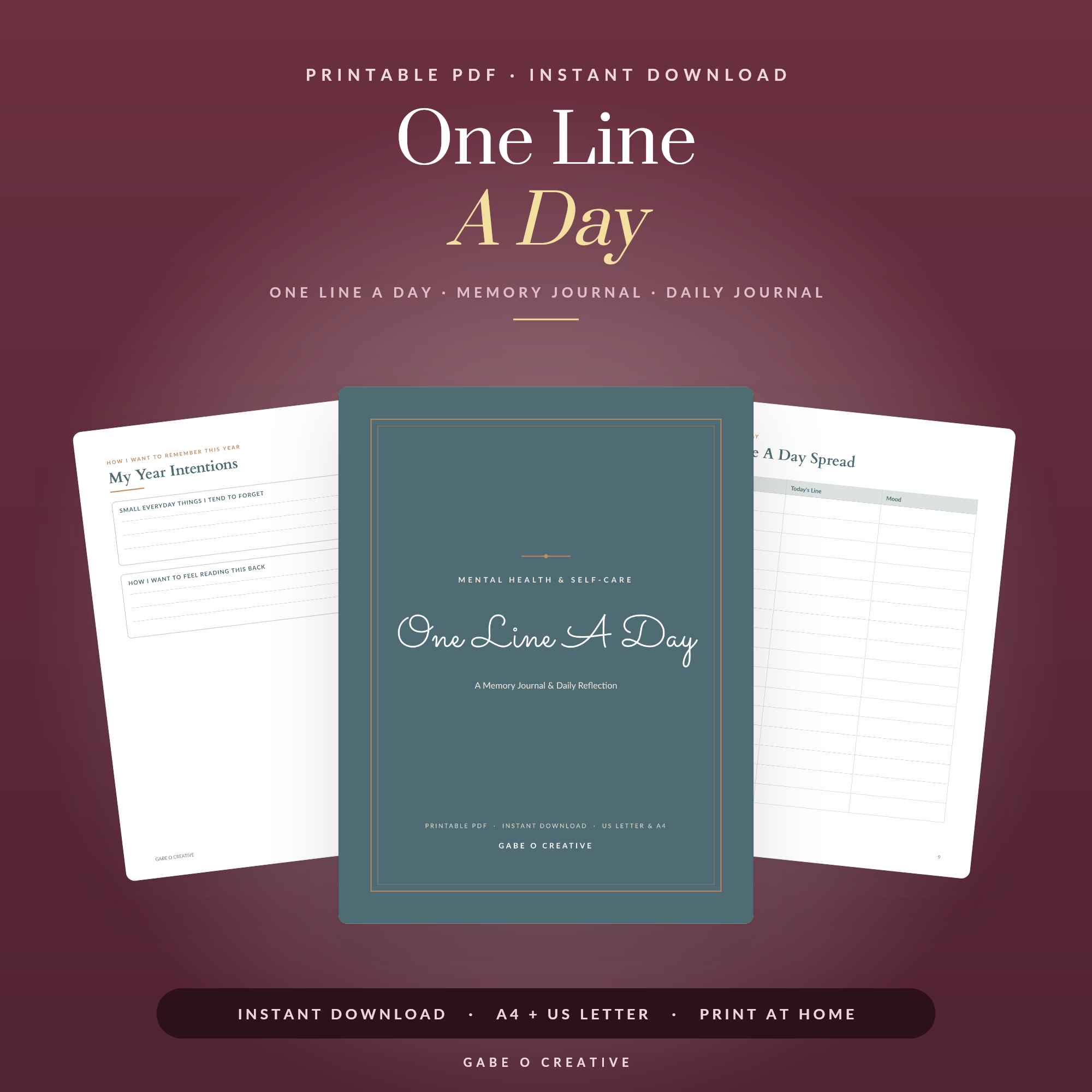
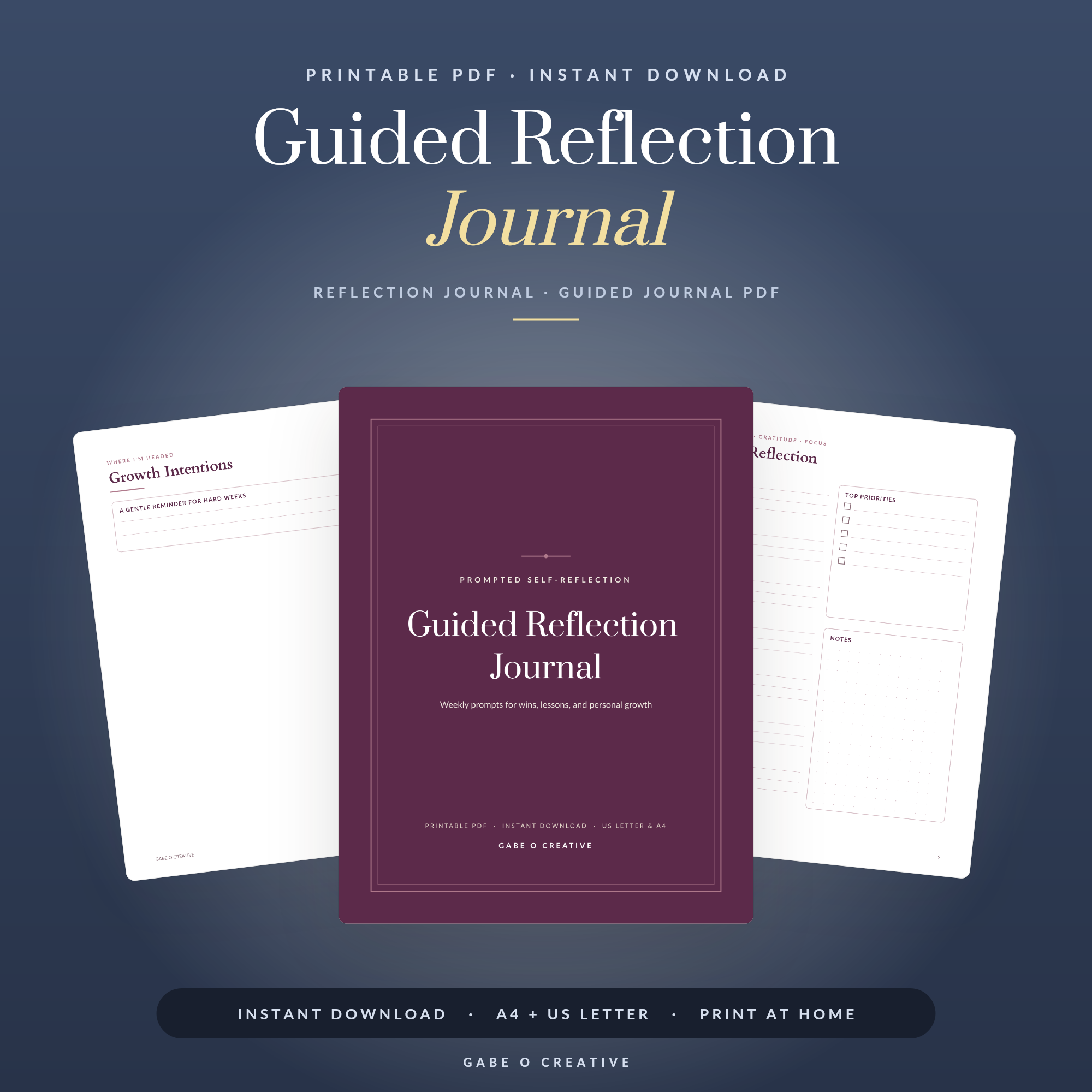
Pair it with something equally low-effort elsewhere in your evening. A one line a day journal works on the same principle — one sentence, no pressure — and sits well next to a reading log if you're rebuilding more than one habit at once. If the stopping-and-starting feeling shows up in other parts of life too, a guided reflection journal gives you the same low-friction structure for the rest of the week.
Turning It Back Into a Habit You Recognise
Once a few weeks of honest logging build up, something shifts. You stop treating reading as a thing you're failing at and start treating it as a thing you do most evenings, in whatever form fits — ten pages, an audiobook chapter on a dog walk, a re-read of something comforting. That's the actual goal, and it's a much better one than any yearly total. If you get to the point where you want company in it rather than just a private log, running a small book club is a natural next step — it borrows the same idea of small, repeatable structure, just with other people attached to the deadline.
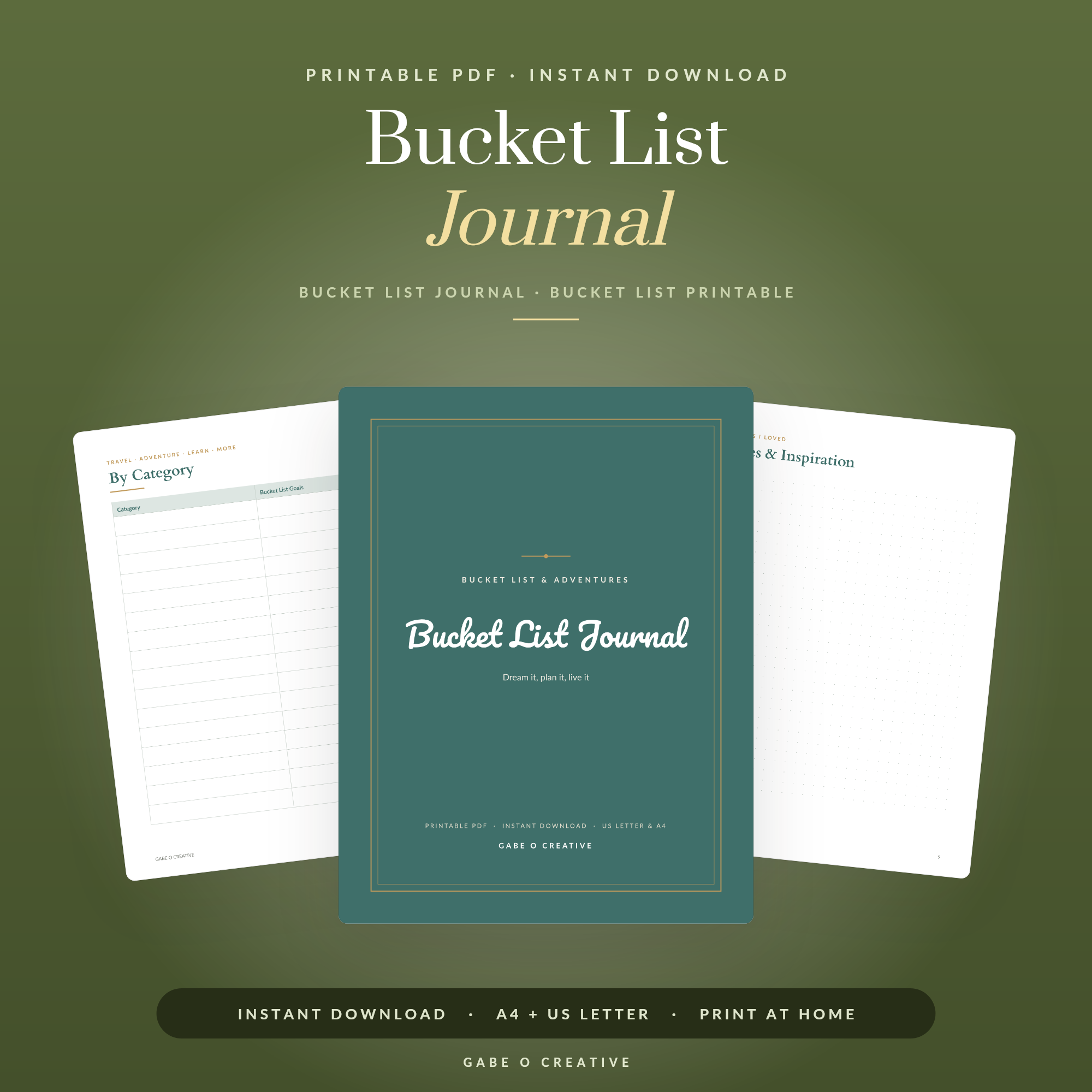
If challenges and yearly totals do eventually appeal to you again, our guide to a reading log and reading challenge covers that gamified version once the basic habit is solid. And if you want everything in one place — reading, reflection, goals — the Ultimate Planner Mega Bundle bundles the reading journal with dozens of other trackers at the best value, or browse a bucket list style approach with the bucket list journal if "someday" books are part of what's holding you back.
Reading Log FAQs
Why do I keep starting books but never finishing them?
Usually because the book was chosen for who you think you should be rather than the ten minutes you actually have that evening. A log shows you which books you do finish, so you can pick more like those instead of more "shoulds."
Is it okay to stop reading a book halfway through?
Yes, and writing the DNF down instead of leaving it unspoken is what actually frees you to start the next one. A book you've formally marked as "not for me" stops nagging at you the way an unspoken half-read one does.
How do I rebuild a reading habit as an adult?
Start smaller than feels necessary — a chapter, ten pages, one audiobook commute — and log it the same day. Consistency at a small size beats an ambitious target you abandon within a fortnight.
What's the difference between a reading log and a reading challenge tracker?
A challenge tracker counts books finished against a target and treats a DNF as a loss. A reading log for rebuilding the habit just records what actually happened, DNFs included, so you learn your real patterns instead of chasing a number.
How much should I read each day to get back into it?
Whatever survives a bad day. Ten minutes logged consistently beats an hour you manage twice and then abandon. The log matters more for showing up than for volume.
Will a reading log work if I read on audiobook or Kindle?
Completely — log the format alongside the title so you can see whether audio, ebook or paper is actually getting you to the end of more books, which is often not the format you'd assume.
Ready to see your real reading pattern instead of guessing at it? Grab the reading journal and log the book on your nightstand right now, or browse the full Hobbies, Pets & Travel collection for more habit-sized trackers.