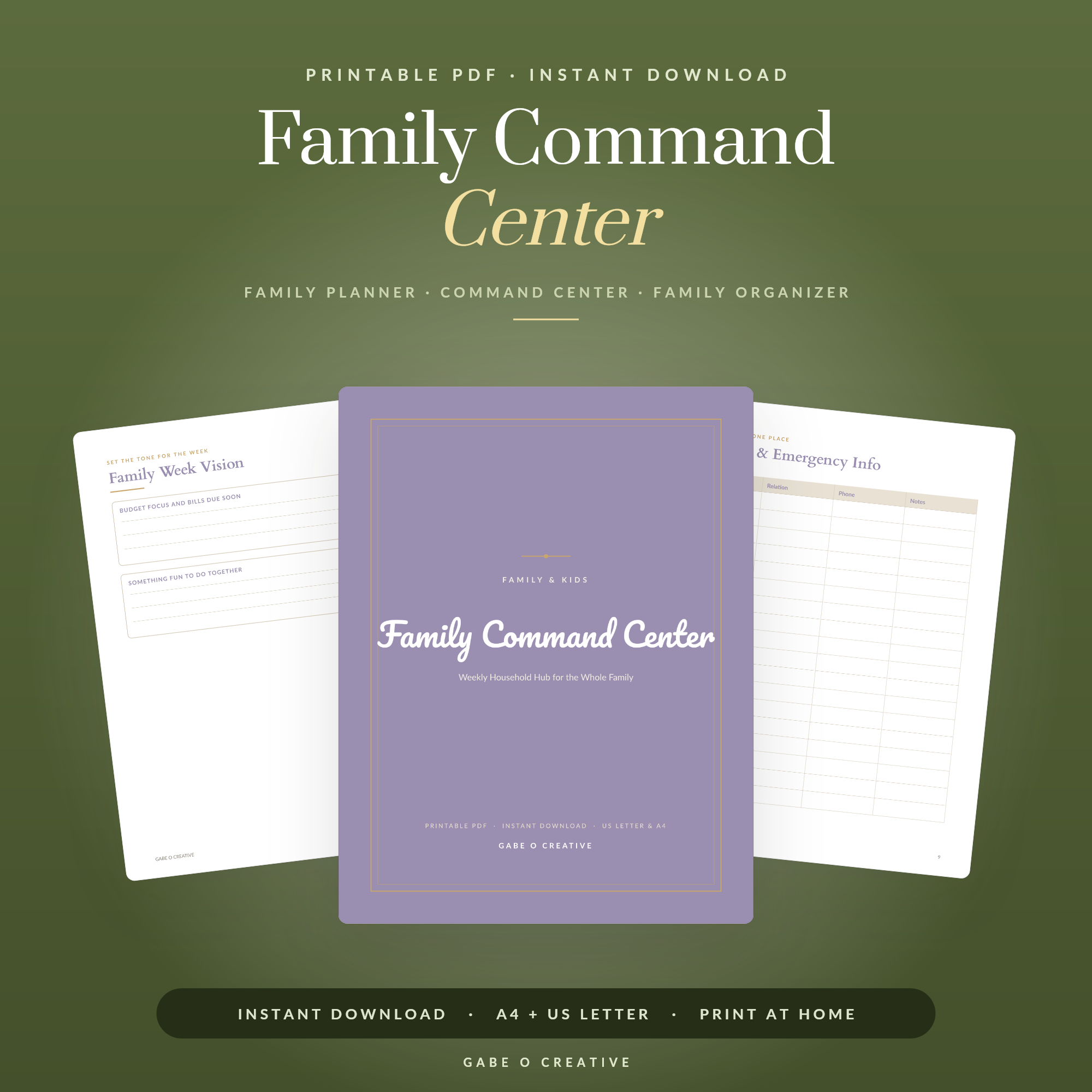
Most school uniform money leaves the house in a single August afternoon, bought in a rush against a list written by somebody who has never met your child. Some of it is unavoidable. A surprising amount of it is bought too early, in the wrong quantity, or in a version that will be outgrown before it wears out. The fix is not spending less on everything — it is knowing which three items deserve the money and which twelve genuinely do not. The Family Command Centre keeps the term's logistics in one place once the shopping is done.
Starting a new school year? The Family Command Centre holds the uniform list, PE days, clubs and the weekly routine on one wall — so nobody is hunting a kit bag at 8am.
 View product →
How Many of Each
The single most useful number: three, not five.
Two in the wash and one being worn covers a normal week without a laundry rota. Five sets means you are storing and outgrowing two of them. The exception is the youngest years, where a spare set living permanently in the bag is worth more than any amount of planning.
| Item | How many | Note |
|---|---|---|
| Shirts / polos | 3–4 | The one item where a fourth genuinely helps |
| Jumper / cardigan | 2 | One is on a peg somewhere. Always. |
| Trousers / skirts | 2–3 | Buy long, take up the hem, let it down in spring |
| PE kit | 1 set | 2 if PE is twice a week and washing is not daily |
| School shoes | 1 good pair | Spend here. This is the one. |
| Coat | 1 | Waterproof beats warm — they run about anyway |
Buy trousers long
Children grow in length before width. A hem taken up in September and let down in February buys an entire extra term out of the same trousers, and it takes ten minutes. It is the cheapest trick on the list and almost nobody does it.
What Deserves the Money
Two things, and it is worth being firm about it: shoes and the winter coat.
Both are worn every single day, in weather, and both get replaced when they fail rather than when they are outgrown. A cheap pair of school shoes that gives out in November has to be replaced in November, at which point you have bought two pairs. A decent pair usually reaches the point where the foot has grown instead — which is the outcome you actually want.
Everything else is worn for a few hours a day, indoors, and grown out of within a year. Supermarket shirts and jumpers are genuinely fine, and the money saved there is what funds the shoes.
Wait on the size-sensitive things
Buying shoes in early August for a child who will grow in September is how families buy the same shoes twice in a term. Basics can be bought early before the shelves empty; anything fitted is better bought in the first fortnight of term, or even after the first half term.
Labelling: What Actually Goes Missing
Label anything that comes off during the day. That is the whole rule, and it narrows the job considerably.
Jumpers, cardigans, coats, PE kit, water bottles, lunch boxes, book bags. Trousers, skirts and shirts stay on the child and go missing far less. Doing all of it is a wasted evening; doing the removable half is twenty minutes.
Iron-on or stick-in labels last longer than pen but pen on the care label works perfectly well and costs nothing. What matters far more than the method is the habit you teach alongside it: jumper goes in the bag, not on the peg, not on the field. Most lost uniform is sitting unlabelled in a lost property box, and it is nearly always the jumper.
Label the size out, not just the name
One small addition that pays for itself with more than one child: write the size next to the name. When something is handed down, outgrown or passed between siblings, the size label inside has usually worn away years before the garment has, and you end up holding a jumper you cannot identify without trying it on somebody.
It also settles the September argument about whether last year's trousers still fit, because the answer is written on them. Ten extra seconds per item, done once, at the same time you are labelling anyway.
 View product →
The Things Left Off the School List
Schools list the uniform. They rarely list the rest of it, and this is where week two falls apart:
- A spare set in the bag for the younger years — the single best purchase on this page.
- Indoor shoes or plimsolls if the school asks, which many do without making it obvious.
- A named water bottle that actually seals. The ones that leak into a book bag get abandoned by October.
- PE kit ready the night before the right day — a calendar problem, not a shopping one.
- A book bag that fits the reading folder, which sounds trivial until it does not fit.
Put the term's dates somewhere visible
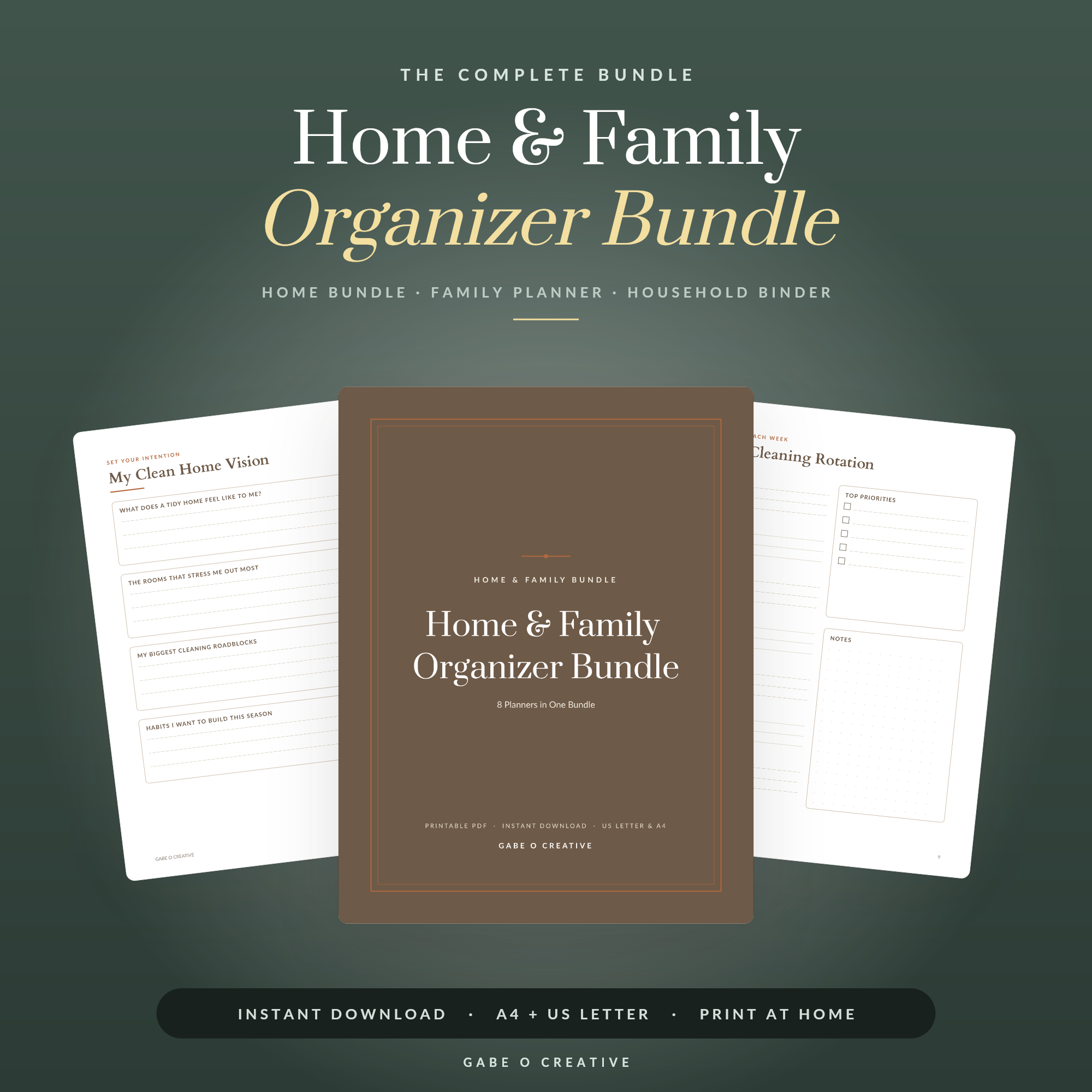
PE days, swimming, club days, non-uniform days. The uniform itself stops being a problem once you have bought it; the recurring problem is remembering which kit is needed on which morning, and that is solved by a wall, not a purchase. The Kids Routine Chart handles the morning sequence for younger children, and the Home & Family bundle covers the wider household side.
Once Term Starts
The uniform job is not finished in August. It is finished in about week three, when you find out what the school actually enforces, what your child actually loses, and whether those trousers were a size too optimistic.
Leave a little of the budget for that. Families who spend everything in August end up buying the missing pieces at full price in October anyway, and the ones who held twenty per cent back spend less overall.
For the rest of the first-week logistics — the paperwork, the accounts, the things schools send home on day one — our first day of school checklist covers what to have ready, and back to school printables covers the organising side. If lunches are your other August problem, school lunchbox ideas is the companion piece.
School Uniform FAQs
How many school uniforms do I need to buy?
Five days of school needs three of the everyday items, not five. Two in the wash and one on is the working pattern for most families, and it survives a normal week without turning into a laundry schedule.
What should I label and what can I skip?
Label anything that gets taken off during the day — jumpers, cardigans, coats, PE kit, water bottles, lunch boxes. Trousers, skirts and shirts stay on the child, so they go missing far less often and rarely need it.
Which uniform items are worth spending more on?
Shoes and the winter coat, because they take daily wear and get replaced when they fail rather than when they are outgrown. Everything else is worn briefly, grown out of quickly, and supermarket versions do the job.
When is the best time to buy school uniform?
Basics in late July before shelves empty, and anything size-sensitive after the first fortnight of term. Buying shoes in August for a child who grows in September is how families buy the same shoes twice.
How do I stop uniform going missing?
Label it properly, and teach the one habit that works — jumper goes in the bag, not on the peg or the floor. Most lost uniform is not lost at all; it is in a lost property box unlabelled, and it is almost always the jumper.
What do people forget on the school list?
A spare set for the younger years, indoor shoes if the school asks for them, a named water bottle, PE kit for the correct day, and the book bag. The spare set is the one that saves an emergency drive in week two.
Buy three, label the removable half, spend on the shoes. Then put the term's days somewhere everyone can see — the Family Command Centre does that bit, or browse the full Family & Baby collection.