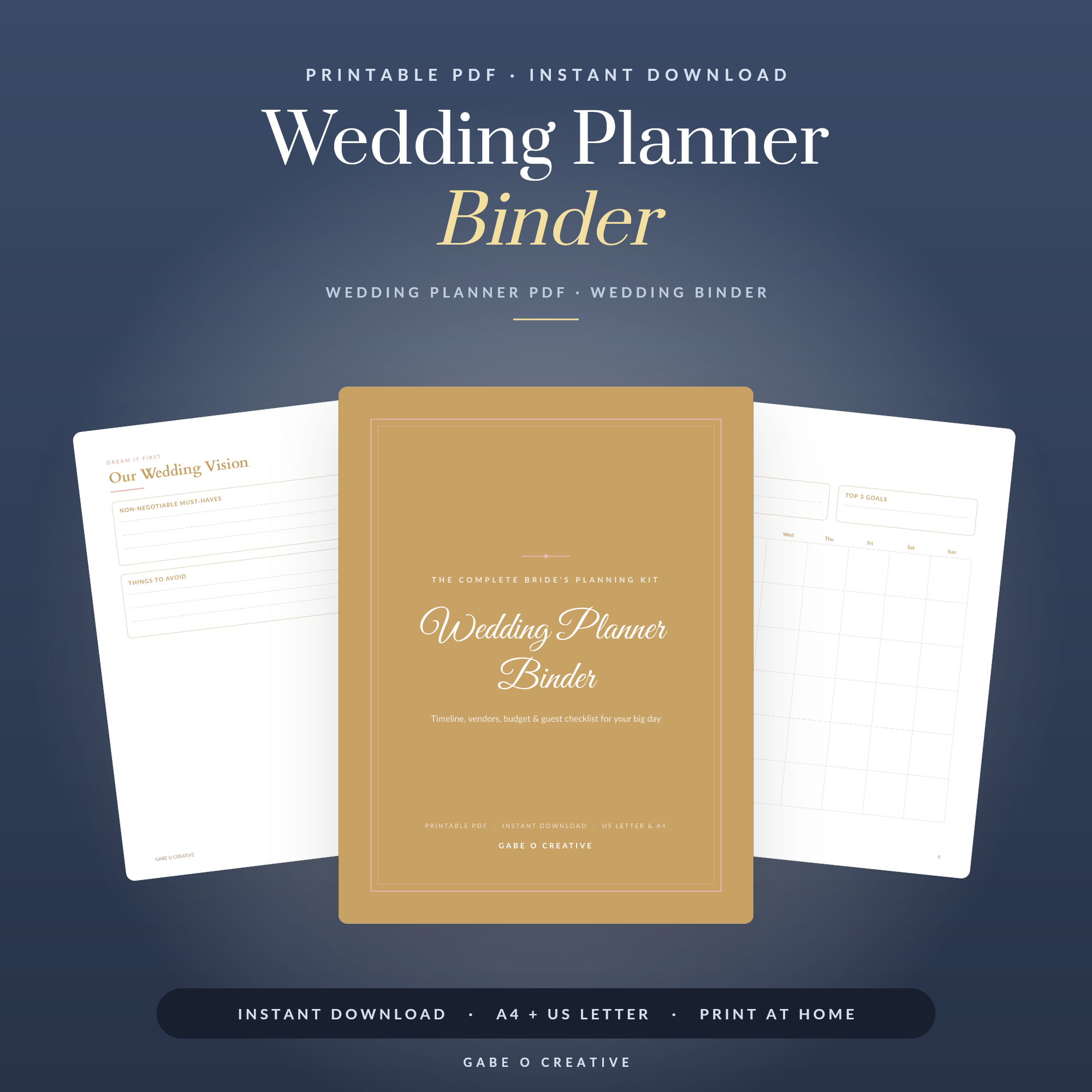
Almost everything that goes wrong with a wedding speech comes down to length. Not nerves, not the jokes — length. A speech that runs eleven minutes loses the room somewhere around minute six, and no amount of good material rescues it after that. The useful wedding speech tips are therefore mostly about structure and cutting, which are also the two things you can fix weeks in advance rather than on the day. Our wedding planner binder has the timeline pages to slot speeches into properly.
Speaking at one soon? Write the whole thing first, then cut it to five minutes — that second step is the one that makes it good.
 View product →
Five Minutes, and Why
Three to five minutes. That is roughly 450 to 750 words, or about a page and a half typed.
It sounds short because you have more to say than that, and everyone does. But a wedding audience has been sitting for hours, has had a drink, and is listening to several speeches in a row. Attention is a shared resource across all the speakers, and going long spends someone else's share as well as your own.
Time yourself out loud. Reading in your head runs about a third faster than speaking, so a speech that feels like four minutes on the page is often six in the room. Time it standing up, at the pace you would actually use, with the pauses you would actually take.
The Structure That Works
- Who you are — one sentence. Half the room does not know you.
- One story that shows something true about the person. One, not four.
- The turn — what changed when they met their partner.
- Something warm about the couple together, and about the person marrying in.
- The toast — short, clear, glass up.
That is the whole shape, and it works for any speaker. The common failure is stage two: three or four anecdotes that are all mildly funny instead of one that is genuinely revealing. One good story beats four adequate ones, every time, and choosing which to keep is most of the writing.
| Section | Roughly |
|---|---|
| Who you are | 15 seconds |
| The story | 90 seconds |
| The turn | 45 seconds |
| The couple | 60 seconds |
| Toast | 15 seconds |
Say something about the person marrying in
Best man speeches in particular often forget this entirely, and it is noticed — usually by the half of the room who are their family. Thirty seconds is enough.
 View product →
What to Cut
Some of this is taste, but most of it is not:
- Exes. Always. There is no version of this that works.
- Stag or hen do stories. Funny to eleven people, uncomfortable for everyone else, including grandparents.
- Anything about money — what the wedding cost, who paid, what anyone earns.
- Jokes that need someone to look bad to land, especially the couple.
- The opening joke about being nervous. Everyone does it; it buys nothing.
- In-jokes only a handful of people follow. The room goes quiet and you have to recover.
A reliable test: if you find yourself wondering whether something is fine, it is not. And read it to one person who was not there for the story — if they do not laugh, the room will not either, because most of them were not there either.
Notes, not a script
Write it out in full, because that is how you find the cuts. Then transfer the key lines to cards. Reading a script verbatim sounds flat and stops you looking up; speaking with no notes at all is how a tight five minutes becomes a rambling nine.
On the Day
- Agree the order in advance and tell each speaker who follows them.
- Check the microphone works and that someone knows how to fix it.
- Do them between the meal and the evening — fed, seated, still together.
- One drink, not three. Nerves plus alcohol lengthens speeches considerably.
- Give the couple a copy afterwards. They will not take much of it in on the day.
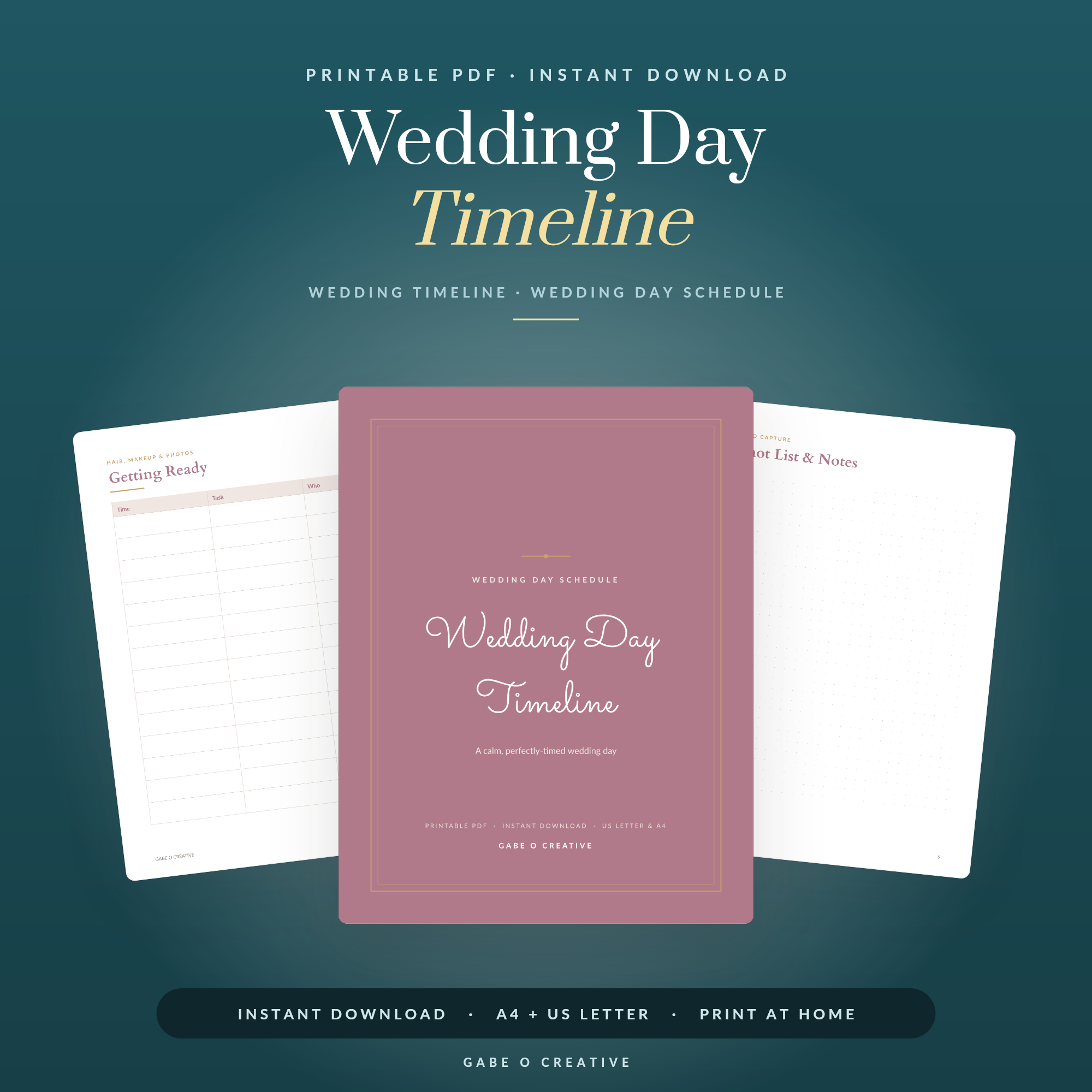
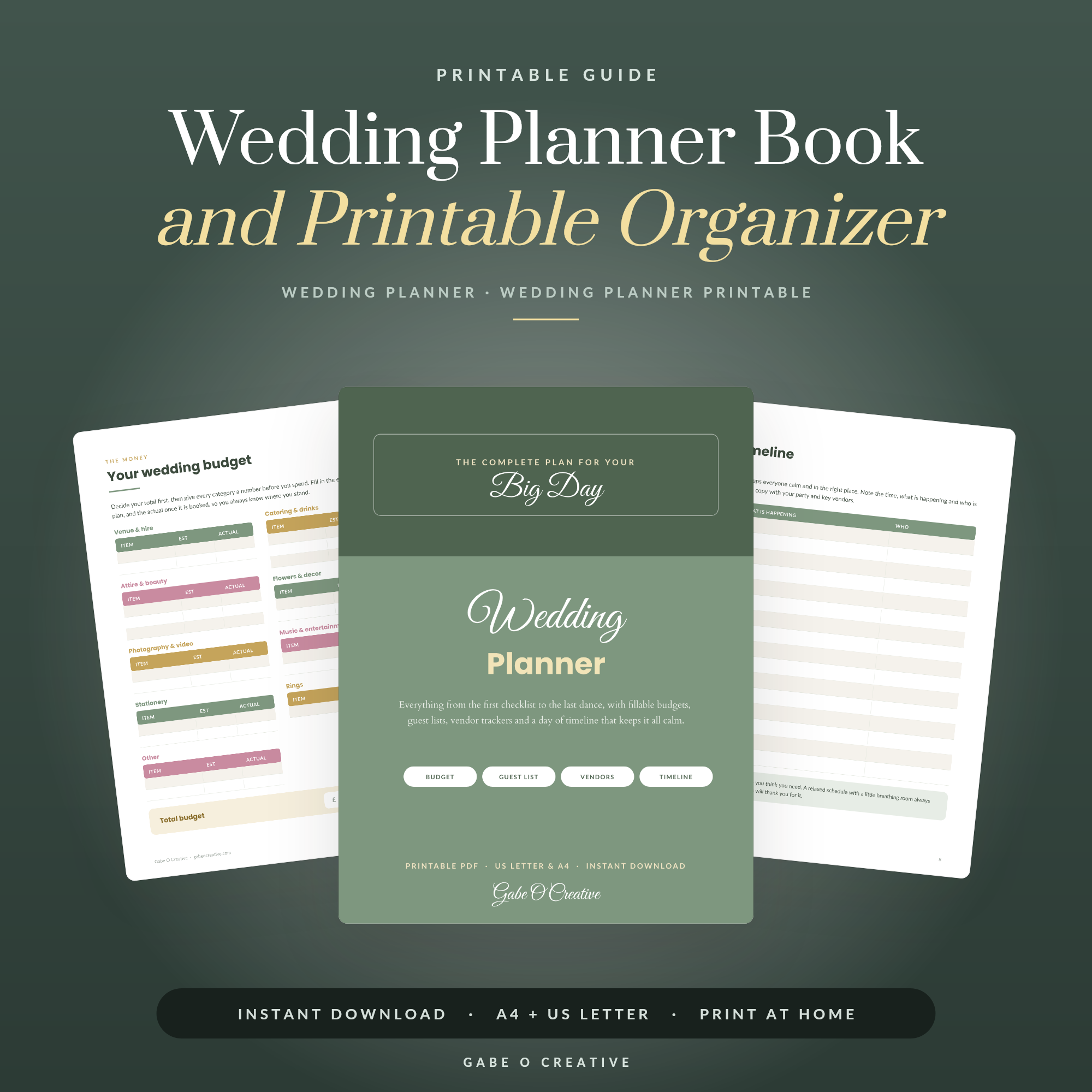
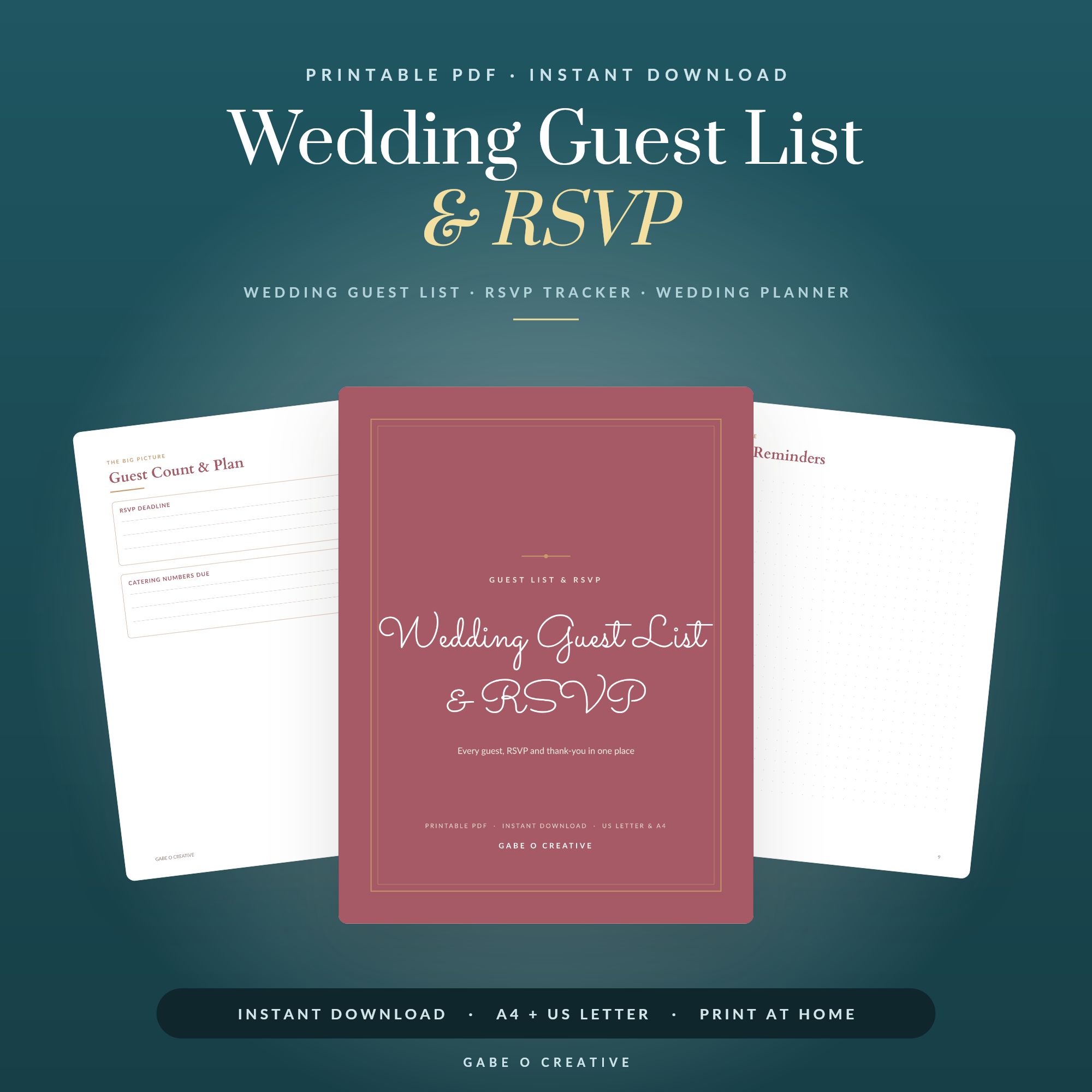
Timing the speeches into the day is the part couples most often leave to chance, and it is worth putting on the running order properly — the wedding day timeline and our timeline guide cover slotting them in without the meal overrunning. For the wider planning, the wedding planner book and the wedding bundle cover budget, vendors and the guest list, and the guest list and RSVP tracker tells you how many people will actually be in the room. Our 12-month wedding checklist covers when to ask people to speak — earlier than most couples do.
 View product →
Advice by Who You Are
The structure is the same for everyone, but the job is not.
Father of the bride. Usually first, so you are also setting the tone and quietening the room. Welcome the guests properly, say something about your daughter that is specific rather than sentimental, and say something warm about the person she is marrying — that last part is the one people remember. Resist the urge to cover her entire childhood.
The couple. Increasingly both speak, and it works well. Thank the people who did actual work, name them, and keep the thank-you list under thirty seconds — it is the part that runs long fastest. One thing about each other, said plainly, beats anything clever.
Best man or maid of honour. You have the most licence and the most ways to get it wrong. The affectionate roast only works if the affection is louder than the roast, and the safest structure is two minutes of teasing followed by one minute of sincerity. Land on sincerity — a speech that ends on a joke feels unfinished.
If you are terrified
Most people are, and it barely shows. Three things genuinely help: hold the cards so your hands have a job, look at three friendly faces in different parts of the room rather than scanning, and pause deliberately after your first sentence. That pause feels enormous to you and normal to everyone else, and it resets your breathing.
If English is not your first language, or you are speaking to a mixed-language room
Shorter sentences, and slow down more than feels natural. Consider saying one or two lines in another language if part of the room shares it — it lands far better than a perfectly polished monolingual speech, and nobody minds a rehearsed phrase.
Wedding Speech FAQs
How long should a wedding speech be?
Three to five minutes, which is roughly 450 to 750 words. Nobody has ever complained that a wedding speech was too short, and almost every speech that goes badly went long.
What is the traditional order of wedding speeches?
Traditionally father of the bride, then the groom, then the best man. Plenty of couples now mix this up entirely — what matters far more is that everyone speaking knows the order in advance.
How do you start a wedding speech?
Say who you are and how you know the couple, in one sentence. Half the room does not know you, and the reflexive joke about nerves is the most overused opening there is.
What should you not say in a wedding speech?
Exes, anything that happened on a stag or hen do, anything about money, and any story where the joke depends on someone looking bad. If you need to check whether it is fine, it is not.
Should I write it out or use notes?
Write it fully, then speak from cards with the key lines on them. Reading verbatim sounds flat; going without notes means a two-minute speech becomes eight.
When should speeches happen?
Most couples do them between the meal and the evening reception, when people are fed and still seated. Before the meal keeps speakers nervous through dinner; much later and the room has scattered.
Planning the whole day? The wedding planner binder covers the timeline speeches sit in, or browse the full Wedding & Bridal collection.