Almost nobody keeps a Christmas card list properly, and almost everybody rebuilds one every December — from memory, from last year's envelopes, from asking somebody where their mum lives now. It takes an evening you did not plan for, and then it is thrown away again. The list is worth keeping for exactly one reason: the work is in gathering the addresses, and that work does not need doing twice. The Christmas Gift & Budget Hub keeps it alongside the gift side so the whole of December lives in one place.
Getting ahead this year? The Christmas Gift & Budget Hub holds your card list, addresses and a sent/received column beside the gift budget — copy it forward each year rather than starting again.
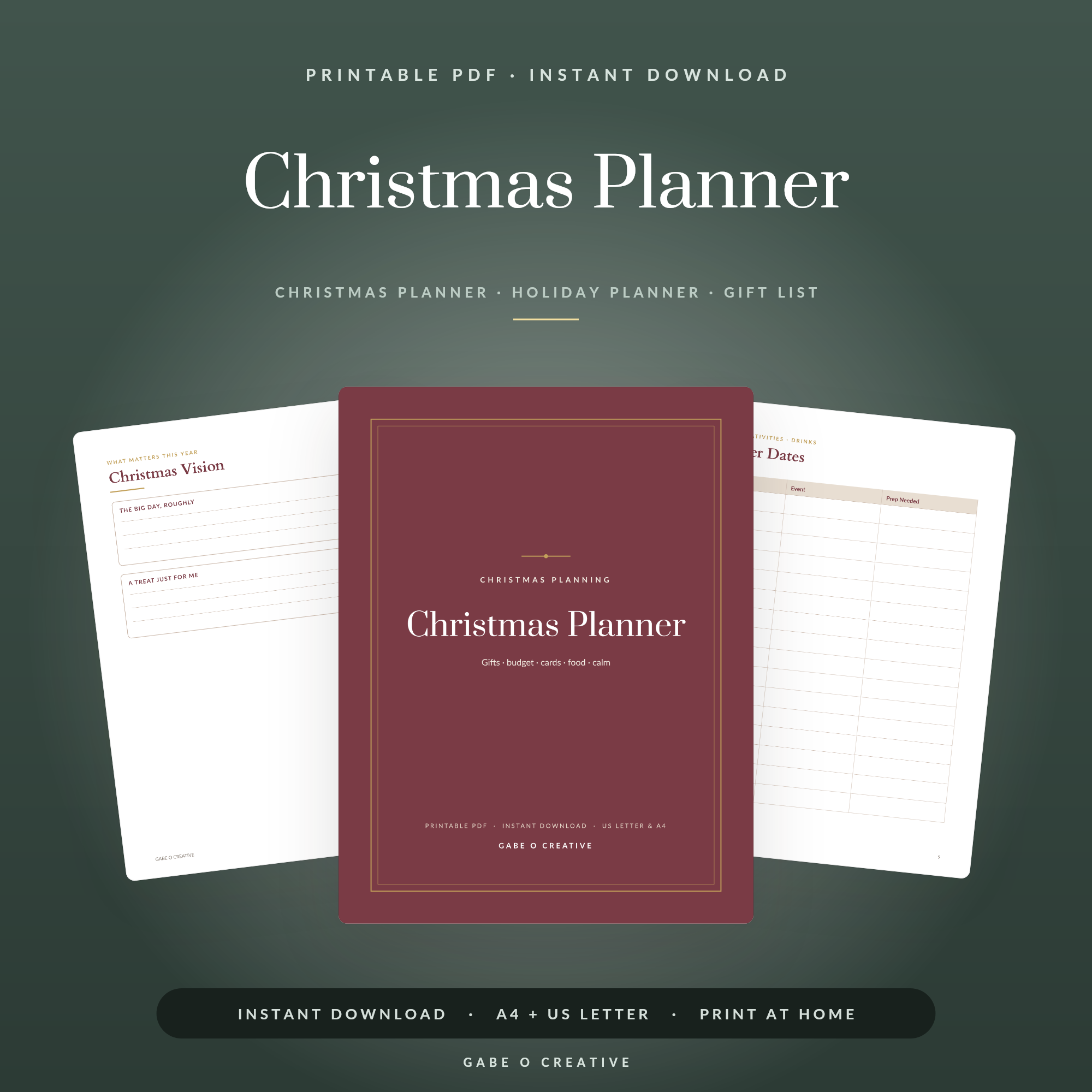 Shop Christmas Planner →
Three Columns Do Almost Everything
Name, address, and one column per year for sent and received. That is genuinely the whole system, and the third one is where the value is.
Most people keep the first two, in a book or a note, and let the third live in their head — a vague sense of who has gone quiet. It does not survive a year. By next December you will remember that somebody did not send one but not who, and you will send to everybody again to be safe, which is how a list only ever grows.
Copy the list forward, do not rewrite it
The single biggest time saving is starting from last year's list rather than a blank page. Duplicate the sheet, add a new year column, and work down. It turns an evening of remembering into twenty minutes of ticking.
The Reciprocity Column
This is the part that feels slightly unsentimental written down, and it is the part that makes the list useful rather than decorative.
Three years of sending with nothing coming back usually means the relationship has quietly changed, and there is no unkindness in noticing that. Without a record you have only two options — keep sending indefinitely to people who moved on a decade ago, or cut somebody who happened to have a rough year and did not manage cards. The record lets you tell those apart.
| Pattern | What it usually means | Sensible move |
|---|---|---|
| Sent, received, every year | Straightforward — a live connection | Keep, no thought needed |
| Sent 3 years, nothing back | They have stopped sending cards generally | Drop, or send every other year |
| They send, you forget | The awkward one | Flag it — this is who to write first |
| Card returned by post | Moved | Update the address before you file the list |
| New this year | New neighbour, colleague, in-law | Add immediately, while you know the address |
That third row is the one worth acting on. Everyone has two or three people who reliably send a card and reliably get missed, usually because they are written near the end when the list is being done from memory. Flagging them means they get written first next year rather than last.
Addresses Are the Real Asset
The cards are seasonal. The addresses are not, and they are getting harder to collect every year — almost nobody has anyone's postal address to hand any more, because almost nothing needs it until suddenly something does.
Update an address the moment you hear about a move, not in December. This is the whole discipline, and it takes eight seconds. A card returned to sender in the third week of December is the worst possible way to discover somebody moved in March, and by then you have neither the new address nor time to find it.
Keep a postcode column separate
Slightly fussy, genuinely useful: keeping the postcode in its own column means the list can print as address labels or feed a mail merge without being retyped. If you write more than about twenty cards, printed labels turn an evening into an hour.
One line about the household
Add a short notes column and use it for the things that change: a new baby, a name you keep spelling wrong, a partner who has left, someone who died. It sounds morbid written down and it is the column that prevents the worst possible card.
Writing to a couple who separated last spring, or addressing a card to someone's late husband, is a genuinely painful mistake and an easy one to make when you are working through a list at speed in December. Six words in a notes column removes the risk entirely, and you will be glad of it exactly once — which is once more than enough.
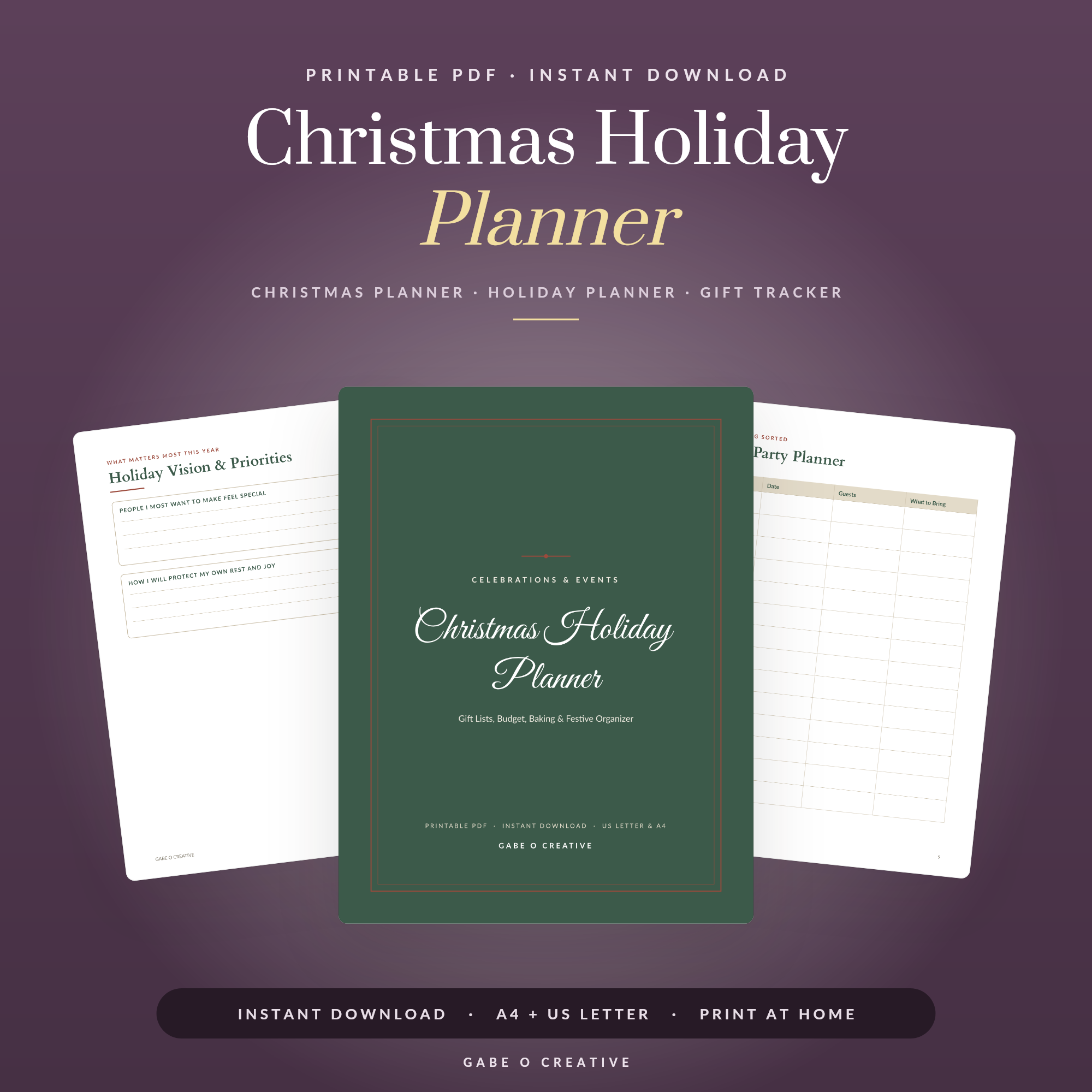 Shop Christmas Holiday Planner →
Timing, So It Is Not a Panic
The dates that matter are earlier than people assume, and the international ones catch families out every year.
Anything going overseas wants to be posted by the end of the first week of December. Domestic post is comfortable up to about the middle of the month, and after that you are relying on things going smoothly at the busiest possible time. Check the current year's last posting dates rather than trusting last year's, because they move.
The practical approach is two sittings rather than one heroic evening. Overseas and the people who always write back in the first sitting; everyone else in the second. Splitting it is what stops the whole thing being abandoned at card fourteen.
Write the ones you owe first
If somebody sent last year and you did not reply, they go at the top of the pile, not the bottom. Cards written at the end are the ones that get shorter, later, or not sent at all — which is precisely how a one-year lapse becomes permanent.
The card list is one part of December; the money is the other. Our guide to setting a Christmas gift budget covers working backwards from a total you can actually pay, including postage and cards, and the printable Christmas Planner or the Christmas Holiday Planner cover the food and hosting side if you would rather have it all on paper.
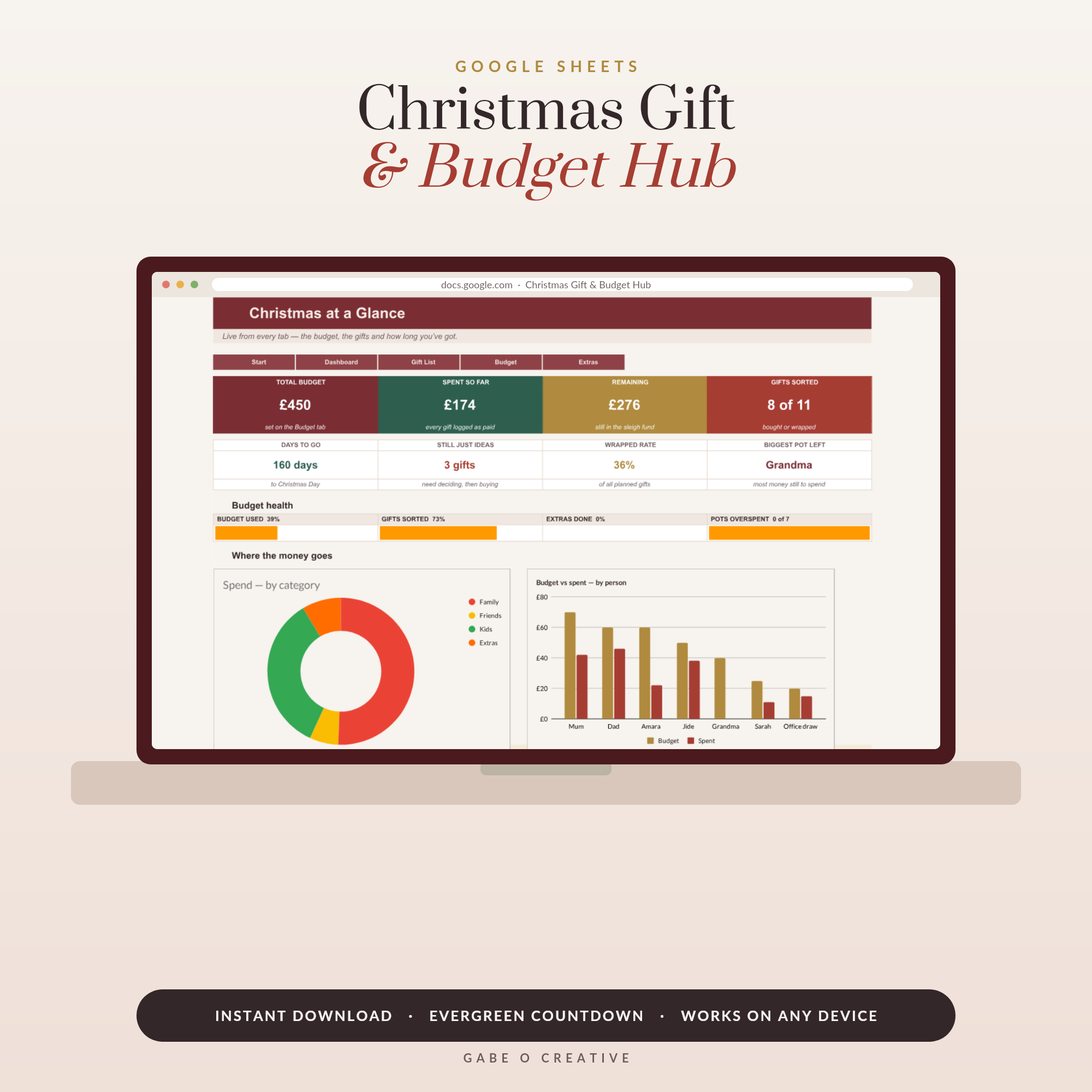 Shop Christmas Gift & Budget Hub — Google Sheets Christmas Planner Spreadsheet: Gift List Tracker, Budget by Person, Live Dashboard, Countdown & Extras Checklist →
Christmas Card List FAQs
What should a Christmas card list include?
Name, address, and a sent/received column per year. That is the whole system. Addresses are the part that takes time to gather and the part you never want to gather twice, which is why the list is worth keeping even if you send very few cards.
Why track who sent cards back?
Because it is the only way to prune the list honestly. Three years of sending with nothing back usually means the relationship has moved on, and that is fine — but without a record you will either keep sending forever or cut someone who simply had a bad year.
When should I start writing Christmas cards?
International post wants to be gone by the end of the first week of December, and domestic by around the middle of the month. If you write in two sittings rather than one, the first weekend of December covers almost everyone comfortably.
How do I keep addresses up to date?
Update the list when you hear someone has moved, not in December. A returned card is the worst way to find out, and the moment you learn it is the only moment you will remember it.
Is a spreadsheet overkill for a card list?
For fewer than ten cards, probably. Past that it earns its place immediately, because it sorts, it copies forward to next year in one action, and it can print as labels rather than being handwritten again from a book.
Should I keep the list if I have stopped sending cards?
Keep the addresses. They are useful for invitations, thank-you notes, funerals and anything else that needs a postal address — which is exactly the information nobody has to hand any more.
Build it once, use it every year. Open the Christmas Gift & Budget Hub, put this year's addresses in while you still have the envelopes, and copy it forward each December — or browse the full Google Sheets collection.